Client: Rain Barrel, UNICEF

Nudge to ensure hand washing with soap, optimizing hygiene and health in Lao communities

Challenge

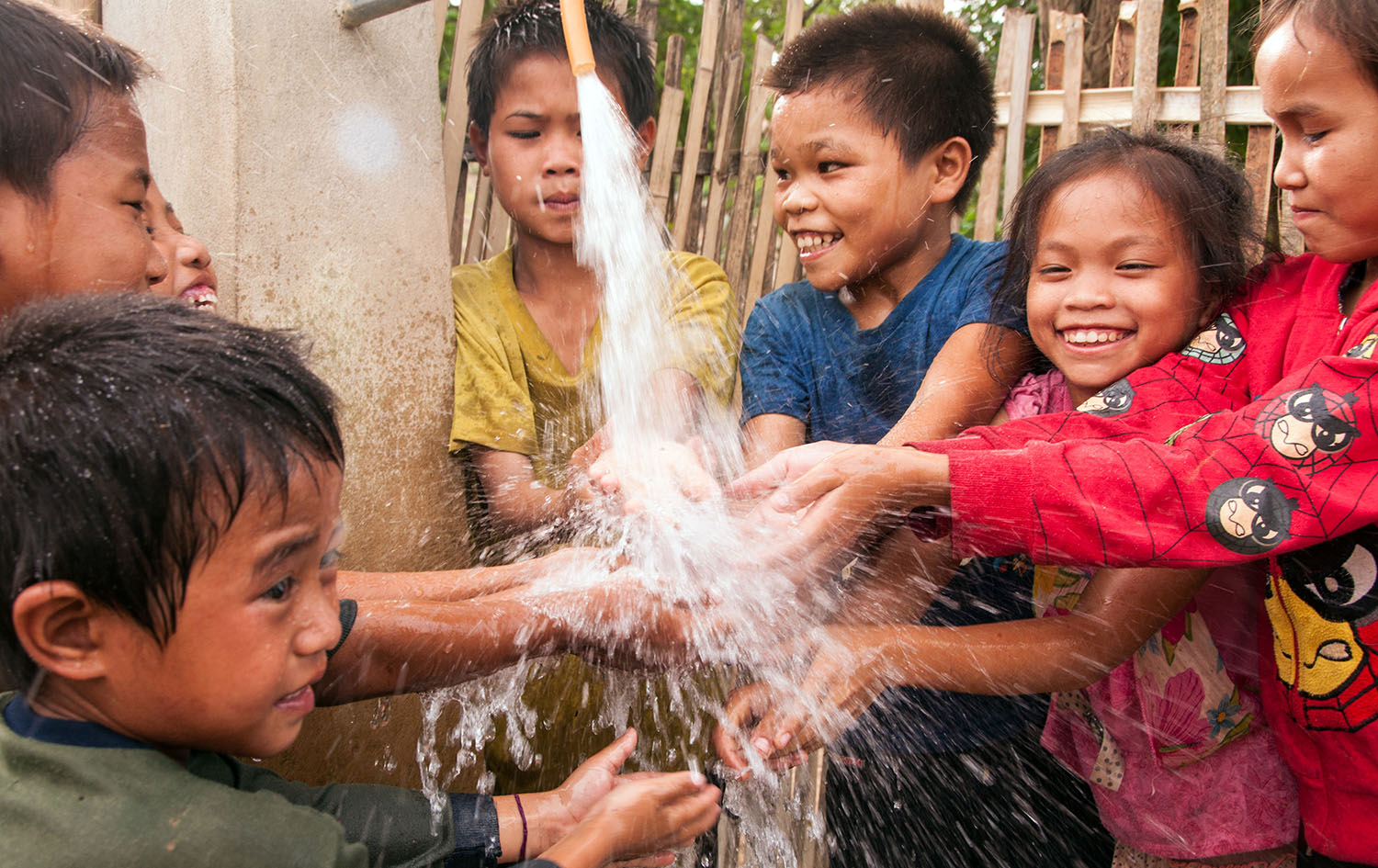
Handwashing with soap is one of the simplest and most effective ways to prevent deadly infections and viruses such as COVID-19. Yet in many parts of Laos, families, teachers, and healthcare workers lack access to basic handwashing facilities. Combined with limited access to medical treatment, this puts communities—especially children—at high risk when gathering in crowded spaces like markets, schools, restaurants, or places of worship.

To tackle this urgent public health challenge, UNICEF and the Lao PDR Ministry of Education partnered with Krukow to design behavior-led solutions that make handwashing with soap intuitive, accessible, and long-lasting.

Approach

The project set out to co-create affordable and scalable nudging solutions with local communities, targeting both households and public areas. The process included:
  • Observations and data mapping of everyday hygiene routines in homes and restaurants.
  • Co-creation workshops with children, parents, teachers, and local business owners.
  • Rapid prototyping of intuitive handwashing facilities designed to be low-cost and easy to maintain.

By embedding behavioral insights into the design, the solutions were built to drive long-term cultural and habitual change around hygiene.

Solution

Prototypes tested in local communities featured:
  • Intuitive handwashing stations placed at key decision points (e.g., restaurant entrances).
  • Visual nudges and cues making handwashing visible, easy, and socially reinforced.
  • Local ambassadors trained to promote and sustain healthy hygiene behaviors across regions.

Impact

The pilot interventions showed a 44 percentage point increase in handwashing with soap behavior in public areas such as restaurants. Based on these promising results, UNICEF and the Government of Lao PDR are now exploring financing and scaling the co-created design solutions nationwide.

Conclusion

By combining nudging principles with community-driven design, UNICEF has demonstrated how simple, low-cost solutions can drive measurable improvements in hygiene behavior. This project not only protects children and families from infection but also lays the foundation for healthier, more resilient communities in Laos and beyond.